-
Solutions
-
Airlines
-
Airports
-
Border Authorities
-
Corporate Travel & Expense
-
Integrations
-
Travel Sellers
-
-
Payments & e-invoicing
-
 AI at Amadeus
Driving integration, scalability, trust and integrity across the travel industry.
Learn more -
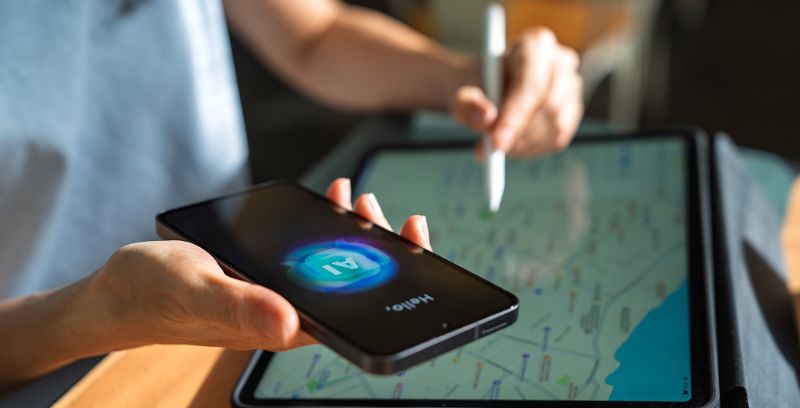 Unlocking the power of AI agents in travel
In this whitepaper, Amadeus and Microsoft explore how AI agents and modern data platforms are improving travel at every stage.
Learn more
-
-
Support & Training
-
 Already a customer?
Log into Amadeus Service Hub for product news, learning materials, and customer support.
Login
-
-
-
 Transforming travel with AI
Our partnership with Microsoft accelerates our Cloud journey and unlocks new, AI‑powered innovations that strengthen and elevate the travel industry.
Learn more -
 Landmark partnership between Amadeus and Google Cloud
Learn how this collaboration strengthens Amadeus' multi-cloud approach and AI innovation to improve efficiency, reliability and growth in travel.
Learn more
-
-
-
Trending Topics
-
 Connected journeys: How will technology transform travel in the next decade?
From AI-driven planning and biometric check-ins to smarter disruption management.
Read the report -
 Six travel trends that will redefine how we travel in 2026 and beyond
Amadeus, in collaboration with Globetrender, unveils the tech, policy and innovation coming to transform the face of travel.
Discover now
-
-
Company
-
About Amadeus
-
Careers
-
Innovation
-
Sustainability
Learn how we’re working to make travel a force for good.
-
 Amadeus Global Report
Gain insights into Amadeus' 2025 business, financial performance, and sustainability.
Read the report -

-
-
- Home
- News
- Press releases
- New Amadeus research reveals appetite for tech to enhance travel, skyrockets in 2025
New Amadeus research reveals appetite for tech to enhance travel, skyrockets in 2025


Biometric gateways are favored by 69% of respondents
Two-thirds (66%) show strong interest in remote baggage check-in
64% willing to use an AI-travel assistant for in-trip information but 25% of travelers report frustrations in using Generative AI
For many, travel is a source of excitement and anticipation, and new global research from Amadeus reveals how travelers are looking to technology, especially AI, to enhance their journey, seeking to eliminate pain points and friction in the process.
The Amadeus study, Connected Journeys: How Technology Will Transform Travel in the Next Decade, the findings from 9,500 global travelers including China, France, India, Singapore, Spain, UK and the USA. It explores the changing needs of travelers, and the role that new and emerging technology plays in transforming the travel and hospitality industries.
Travelers are increasingly turning to Artificial Intelligence (AI) to plan and manage their journeys, with Generative AI (Gen AI) usage up 64% compared to last year. Key benefits appreciated by travelers include significant time savings (42%), highly personalized recommendations (37%) and the discovery of new destinations (36%). Globally, travelers who used Gen AI in their planning felt more confident in their travel decisions (35%).
64% of travelers responding to Amadeus’ survey said they would be willing to pay for an AI travel assistant that could help with in-trip information. And 17% reported they would be willing to pay up to five per cent of the total value of the trip to benefit from such services.
However, the study also reveals areas where AI currently falls short. A quarter (25%) of respondents have experienced outdated or inaccurate information from AI-generated results, while another 25% struggled with AI’s inability to truly capture their personal preferences.
"The rapid rise in Generative AI usage shows that travelers are eager for smarter, more personalized experiences. But the data also reveals a clear message: expectations are high, and the industry must work together to meet them. At Amadeus, we see a big opportunity to collaborate across the travel ecosystem to ensure AI delivers real value – reducing friction, enhancing confidence and making every journey more intuitive and enjoyable.”
Decius Valmorbida President of Travel, Amadeus
“Travelers are embracing AI with enthusiasm, but they’re also demanding more. In Hospitality, we see this as a call to action: to deliver technology that not only responds to traveler needs but anticipates them. From booking the perfect stay to navigating the trip itself, hyper personalization and real time accuracy are no longer optional, they are expected."
Francisco (Paco) Pérez-Lozao Rüter President, Hospitality, Amadeus
The data also revealed that an overwhelming 90% of those traveling by plane disclose they experience some level of anxiety during the travel experience. Yet these worries co-exist alongside clear aspirations and expectations for travel. Rather than a focus on material objects, travelers’ top hopes for their time away include having quality time with loved ones (27%), discovering great food and drink (25%) and creating lasting memories (24%). Nearly a quarter (22%) of travelers explicitly highlight the desire for a smooth travel experience without delays or disruptions as central to their travel aspirations.
With worries affecting multiple stages of the journey around the world – including packing (26%), going through security (27%), travel to the airport (26%) and the flight itself (24%) – technology plays a critical role in transforming the traveler experience.
Travelers are open to embracing innovative technology solutions that promise convenience and provide reassurance.
Two-thirds (66%) show strong interest in remote baggage check-in, meaning luggage would be collected directly from their homes to significantly reduce pre-trip anxiety.
Similarly, biometric gateways are favored by 69% of respondents and offer the promise of a smoother airport experience by eliminating repetitive document checks.
Other technology solutions already alleviating anxiety include real-time travel updates via apps (29%), digital wallets for secure document storage (27%), smart baggage tracking systems (26%) and integrated ‘super apps’ offering comprehensive travel management in one place (26%).
Connected Journeys
How will technology transform travel in the next decade?
TO TOP